How to Make Your Trade Show Stand Stand Out: 9 Ideas
Your space is booked, the hall is full of competing stands, and you need visitors to choose yours. To make your trade show stand stand out, start with a clear message, an open layout and good lighting. Then add something for people to do. Design gets visitors to look; a live activity gets them to stop. We supply interactive activations for trade shows. This guide covers the design basics briefly, then goes deeper on what happens on the stand itself.
Nine ideas follow, in the order we’d tackle them. Searchers say “stand” and “booth” interchangeably, and everything here works for either.
Start with the one thing visitors should remember
Pick one message and build the whole stand around it. A visitor walking past gives you a glance, so a single readable line beats a list of services. It should be legible from the aisle, not just from two metres away.
1. Write one headline, then cut everything that competes with it
Ask what you want a passer-by to say about you afterwards, and put that on the stand in plain words. Move product detail, spec sheets and price lists to a leaflet or a screen visitors can walk up to. If a panel needs a paragraph to explain, it is not doing a headline’s job.
Design that earns a second look
Good design makes people look, but it rarely makes them stop on its own. Treat these as table stakes and keep the effort proportionate.
2. Use colour and branding with intent
Choose one dominant brand colour and one accent, and use the accent for the thing you most want noticed, such as your call to action or activity area. A common designer’s rule of thumb is a 60/30/10 split between dominant, secondary and accent colours; treat it as a starting point, not a law. Make sure text contrast holds up under hall lighting.
3. Use height and lighting
Halls are busy at eye level, so height helps. A tall graphic or hanging sign lets people spot you across the hall and navigate to you. Light your key message and your activity area, and avoid leaving the stand dimmer than the stands either side. Check the organiser’s exhibitor manual for height limits and rigging rules before you design anything.
4. Leave space: an open, uncluttered layout
Open the front of the stand. Tables across the frontage act as a barrier, and a crowded stand tells visitors there is no room for them. Keep the aisle edge for people and activity, and push storage, bags and spare stock to the back.
Make your trade show stand stand out with something to do
An activity is the quickest way to turn a passer-by into a visitor. It gives them a reason to stop, gives your team an easy opener, and creates a small crowd that other people stop to watch.
5. Product demos and hands-on trials
If your product can be tried in a minute or two, let people try it. A hands-on demo does double duty because the activity is the pitch. Keep the demo short, resettable and easy enough that staff do not have to explain it every time.
6. Driving simulators and VR
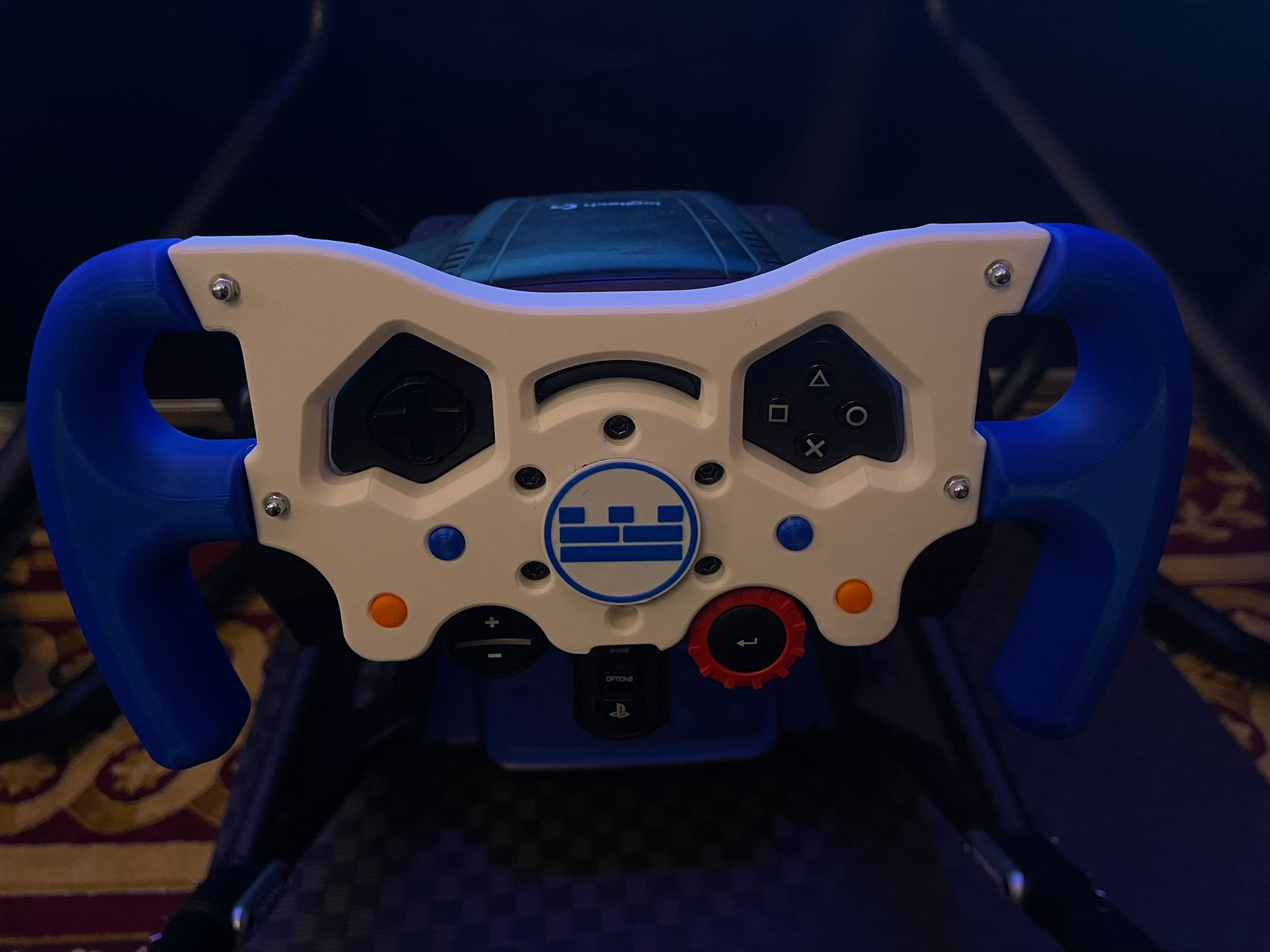
Simulators are strong draws because they are loud, visual and competitive. Our driving simulators come in set-ups from 1 to 16, with 55-inch screens and force-feedback wheels, optional VR headsets and custom branding available. We have run driving simulators with Optimum Nutrition, and Diane Collins, Business Developer at Howdens, told us: “The driving simulator was amazing and enjoyed by all our customers and staff.”
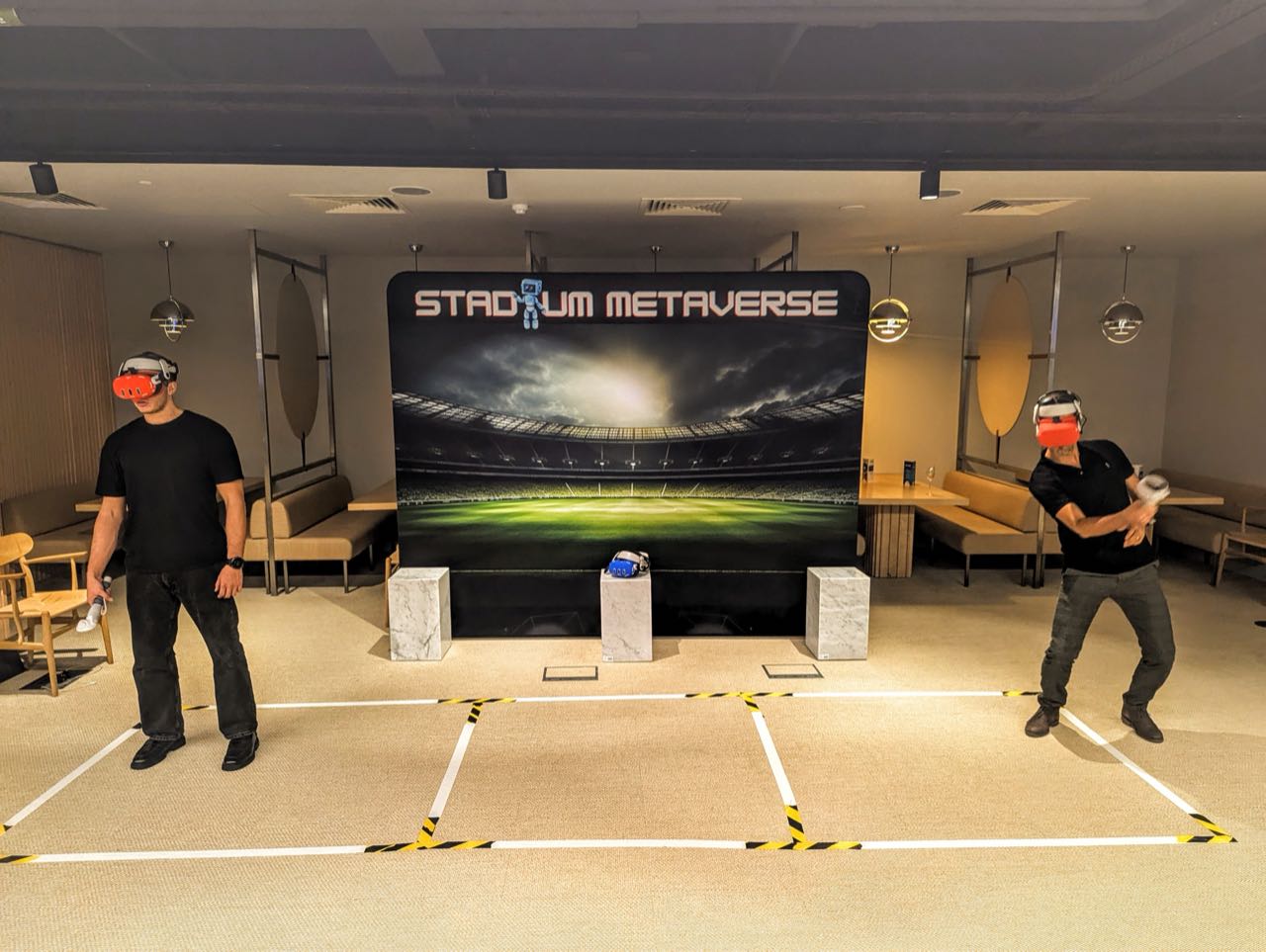
For VR, our VR flight simulator runs 1 to 30 headsets at about 1 x 1 m per headset, using real 360 degree fighter-jet footage and fully staffed. Work out your footprint early, because every unit you add takes aisle space from your own stand.
7. Branded games and AR
Quick reaction and skill games suit a trade show because a round takes seconds and the next person can step straight up. A light-up reaction wall is a good example. For something more novel, we build custom, branded augmented reality spaces and AR games for activations, conferences and trade shows. Our arcade games use a free-flow, drop-in format, which suits stands with steady footfall.
Match the activity to your offer. A game that has nothing to do with what you sell attracts a crowd but not buyers. If you sell logistics, a speed or accuracy game makes a natural story; if you sell nutrition, a physical challenge does.
Staff, scripts and lead capture
An activity brings people to the stand, but your team turns them into conversations. Staff should stand at the front, facing the aisle, not sit behind a desk or look at phones.
8. Give your team an opener and three qualifying questions
Agree a simple opener for people who have just finished playing, such as “How did you do?”, then three short questions that tell you whether they are a fit: what they do, what they are working on, and when they are looking to decide. Use a leaderboard as a natural swap: visitors enter their name and email to appear on it, and your team follows up with those who qualify. Check data-protection rules for how you collect and store contact details; the ICO has guidance on collecting information and generating leads.
Promote before and during the show
9. Tell people where to find you
Email your contacts and invite them to the stand, book appointments in advance and share the activity on social media beforehand. During the show, post short clips of people playing. Keep it light: a visible activity does most of the promotion for you once the doors open.
Common mistakes
These are common problems on stands with activities:
- Queues blocking the stand. If the line to play runs across your frontage, other visitors cannot get in. Plan where a queue forms and keep it to one side.
- An activity unrelated to the offer. Visitors enjoy it and leave without knowing what you do.
- Staff hiding behind the activity. If the host runs the game and your team stays at the back, nobody starts a sales conversation.
- Over-sizing the activity. Check the footprint against your actual space, and confirm power and flooring requirements with the organiser.
Design tactic vs activity: quick comparison
| Tactic | Effort | Space needed | Does best |
|---|---|---|---|
| Single clear message | Low | None | Being understood from the aisle |
| Colour and branding | Low to medium | None | Standing out visually |
| Height and lighting | Medium | Overhead, subject to organiser limits | Being spotted across the hall |
| Open layout | Low | Frees space | Inviting people in |
| Product demo | Medium | A demo point | Showing the product working |
| Driving simulator or VR | Higher | Per unit footprint | Drawing a crowd |
| Branded game or AR | Medium to higher | Depends on the game | Quick, repeatable play |
Working with an activation supplier
A supplier takes the logistics off your team. Our corporate event packages include setup, breakdown and all equipment, along with professional hosts, and custom branding and theming are available. Confirm exactly what is covered for a trade show stand when you enquire. We have delivered corporate activations for DHL, General Electric and Nando’s, and an activation at the Barcode Festival. Our trade show activations page has more detail, and our conference experiences page is worth a look if your show also has a speaker programme.
FAQs
How to be successful at a trade show?
Set one clear goal before you book anything, such as meetings booked or qualified leads captured. Pre-book appointments, staff the stand with people who like talking to strangers, give visitors something to do, and follow up within days while the conversation is fresh. Success usually depends more on preparation than on stand size.
How to attract people to your trade show booth?
Give them a reason to stop. Movement, a live activity and a message readable from the aisle all pull people in. Keep the front of the stand open, face your staff outwards rather than behind a desk, and make the first thing a passer-by sees an invitation to try something, not a sales pitch.
What are some good game ideas for a trade show?
Quick, skill-based games work best: a reaction wall, a driving simulator with a leaderboard, an AR game or a short VR experience. Pick something a visitor can finish in a couple of minutes without instructions, and that links to what you sell. Our trade show activations page has more detail.
What makes a good trade show booth?
A good booth has one clear message, an open and uncluttered layout, good lighting and something to do. Visitors should understand what you offer at a glance from the aisle, then find a reason to step in. Staff who are ready to talk matter as much as the structure itself.
Tell us about your event and we’ll put together a tailored proposal. Send us an enquiry or call 020 3355 5453, and we’ll reply within one business day.