How to Throw a Private Festival: A UK Planning Guide
Someone has asked you to organise a festival for your team, clients or friends, and you have a field, a date and a lot of questions. A private festival is a closed, invite-only event with several things going on at once. To throw one, fix your numbers and budget, choose a site, sort the licences, build a programme, look after your guests’ basics and plan for rain.
Guests forgive a late band. They don’t forgive long queues, too few toilets or nowhere dry to stand. Plan the basics first and the fun gets easier.
What counts as a private festival?
A private festival is an invite-only event with multiple zones or activities, usually outdoors, over a day or a weekend. Think of a company summer party with a music area, food, games and chill-out spaces, or a milestone birthday with a few hundred guests.
The format works because people can drift between things. Nobody is stuck watching one act, which suits mixed groups. It’s a natural fit for corporate events and for private events that have outgrown a garden.
Step 1: Fix your numbers, date and budget
Settle guest count, date and budget before anything else, because every other choice follows from them. Numbers decide the site, the toilets, the licence and the staffing.
- Guest count: work from confirmed RSVPs, plus a realistic drop-out allowance.
- Date: check school holidays, bank holidays and big sporting fixtures. Book suppliers early.
- Budget: list site, power, toilets, food, entertainment, staffing, insurance and a contingency.
Step 2: Choose a site and plan the layout
Pick a site with good access, hard standing for vehicles, power and a sensible wet-weather fallback. Then map it before you book anything.
A simple layout puts noisy areas away from quiet ones, keeps food and toilets easy to find, and leaves clear routes for emergency vehicles. Sketch zones: a main area, a games area, a food area and a calm space.
Step 3: Sort licences and permissions
You may need a premises licence or a Temporary Event Notice if you sell alcohol or provide regulated entertainment, such as live or recorded music. Which applies depends on the venue and your numbers, so contact your local council’s licensing team early.
Also check landowner permission, public liability insurance, noise limits and any fire or safety requirements for tents and structures. Don’t assume a supplier’s insurance covers your event. Ask in writing, and confirm current rules with the council rather than relying on a blog, including this one.
Step 4: Build a programme with things to do
Replace “stages” with zones, and give each one a reason to visit. Music sets the mood, but interactive activities keep people mingling.
Mix the energy levels so everyone has a place:
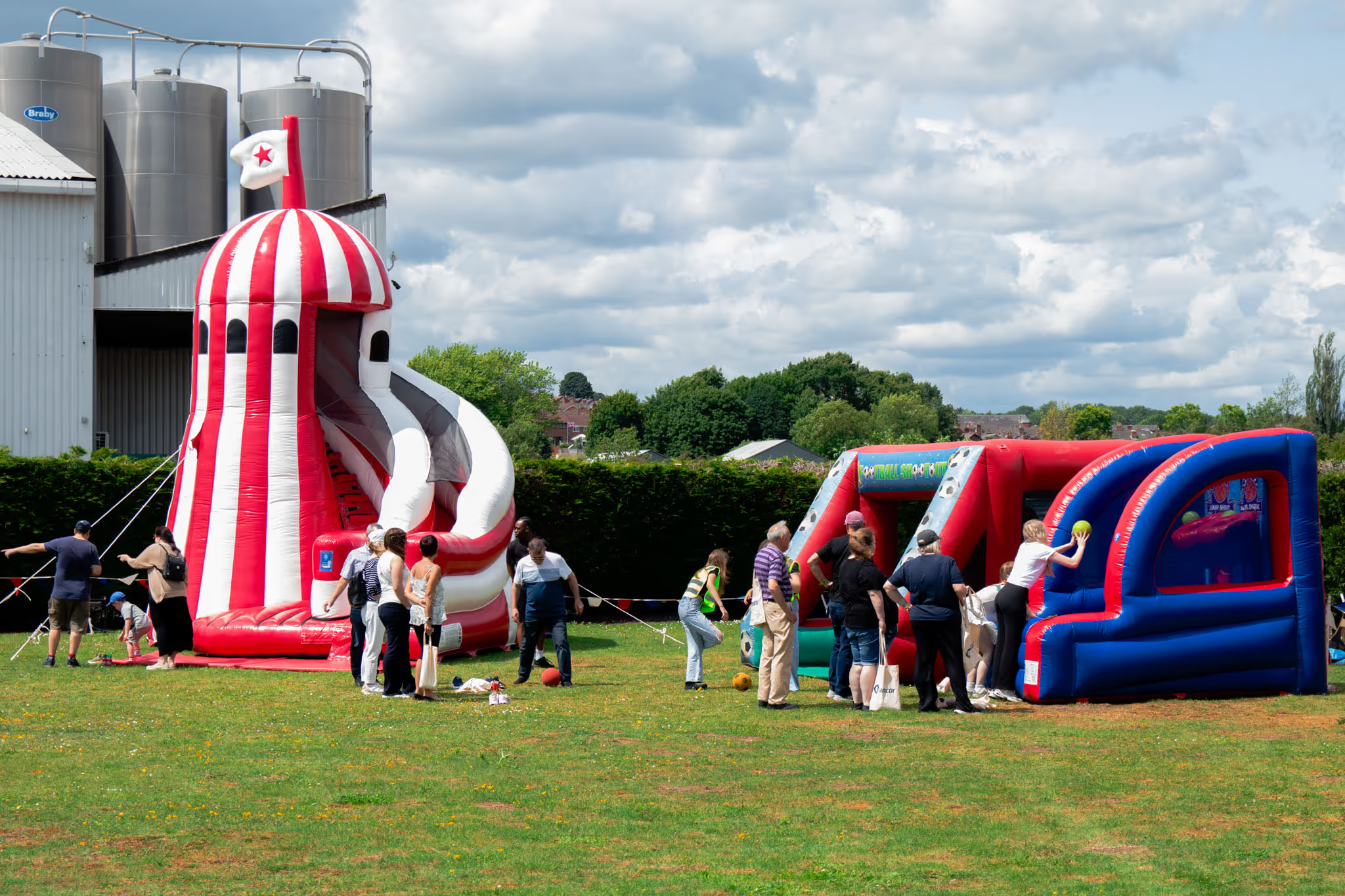
- Active: inflatables, giant garden games, table football, archery or axe throwing.
- Competitive: Taskmaster-style challenges, quizzes, arcade games or driving simulators.
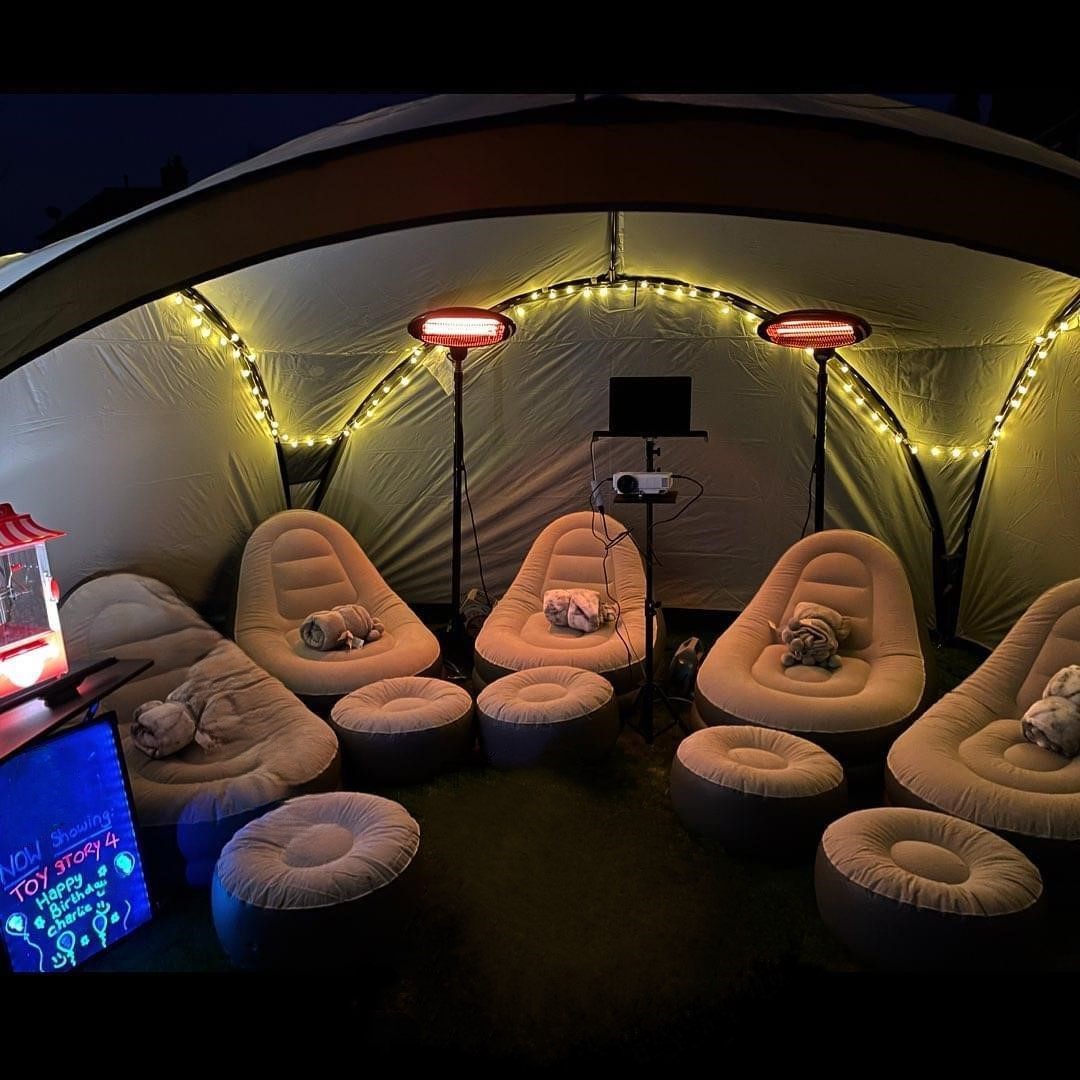
- Relaxed: an outdoor cinema tent, deckchairs, fairy lights and somewhere to sit.
Our own outdoor work includes full-scale family fun days with inflatables, food vendors, entertainment and logistics, and activations at festivals. A good rule of thumb is to give guests something to do with friends, not just something to watch. Include options for non-drinkers and for people who prefer quieter corners.
Step 5: Plan food, drink and welfare
Food and drink are the staples of any festival, and long queues are an easy way to frustrate guests. Provide more serving points than you think you need, and offer vegetarian, vegan and allergen-aware choices.

Welfare covers toilets (including accessible ones), drinking water, first aid, lost-and-found, clear signage and a named contact for guests. Check capacity guidance for toilets with your toilet hire company, and tell guests about accessibility and dietary arrangements in advance.
Step 6: Have a weather plan
British weather is a planning input, not a surprise. Decide in advance what happens in rain, wind or heat, and who makes the call.
- Book marquees or covered areas for the key activities.
- Lay out hard-standing routes or matting for wet ground.
- Provide shade and water if it’s hot.
- Tell guests what to wear and bring.
A covered, heated chill-out space with seating and lighting rescues a damp day. Brief your suppliers on the wet-weather version of their activity before the day, not on it.
What does a private festival cost?
The cost depends on guest numbers, hours, site, entertainment, food, toilets, staffing, insurance and weather cover. We don’t publish prices, and third-party costs vary too much for a single figure to be honest.
The best approach is to get written quotes for each line, add a contingency, and decide which zones matter most. Entertainment, catering and welfare are usually the biggest lines. Fewer, better activities beat a sprawling programme.
Get help to throw a private festival
You can do all of this yourself, but it’s a lot to coordinate alongside a day job. Our event management service covers planning, venue sourcing, entertainment, catering and transport coordination, and setup, breakdown and equipment come as standard with our corporate events. Free venue finding is included too.
Laravel Live’s CTO said of their after-conference social: “They worked with us to understand and implement our requirements, and executed everything professionally and on time.”
FAQs
How much does it cost to organise a private festival?
It depends on guest numbers, site, hours, entertainment, food, toilets, staffing and weather cover. Hire costs for third-party suppliers vary widely, so get written quotes for each item early. Build a contingency into the budget, because last-minute weather fixes and extra welfare provision are the usual surprises.
Do I need a licence to run a private festival?
Often, yes. If you plan to sell alcohol or provide regulated entertainment such as live or recorded music, you may need a premises licence or a Temporary Event Notice from your local council. Rules depend on the venue and numbers, so check with the council’s licensing team well ahead.
What sells most at a festival?
Food and drink are the staples, so make sure there is enough of both and that queues move. Offer hot and cold options, vegetarian, vegan and allergen-aware choices, and good non-alcoholic drinks. Running out of food or having one long queue is easy to avoid with planning.
How can I create my own festival?
Start with the guest list, date and budget, then pick a site, sort licences, build a programme of music and activities, and plan food, toilets, safety and a wet-weather option. Treat it like a series of small stages rather than one big show.
Planning a private festival? Tell us about your event and we’ll put together a tailored proposal.