Quiz Ideas for Work: 12 Formats and Rounds That Land
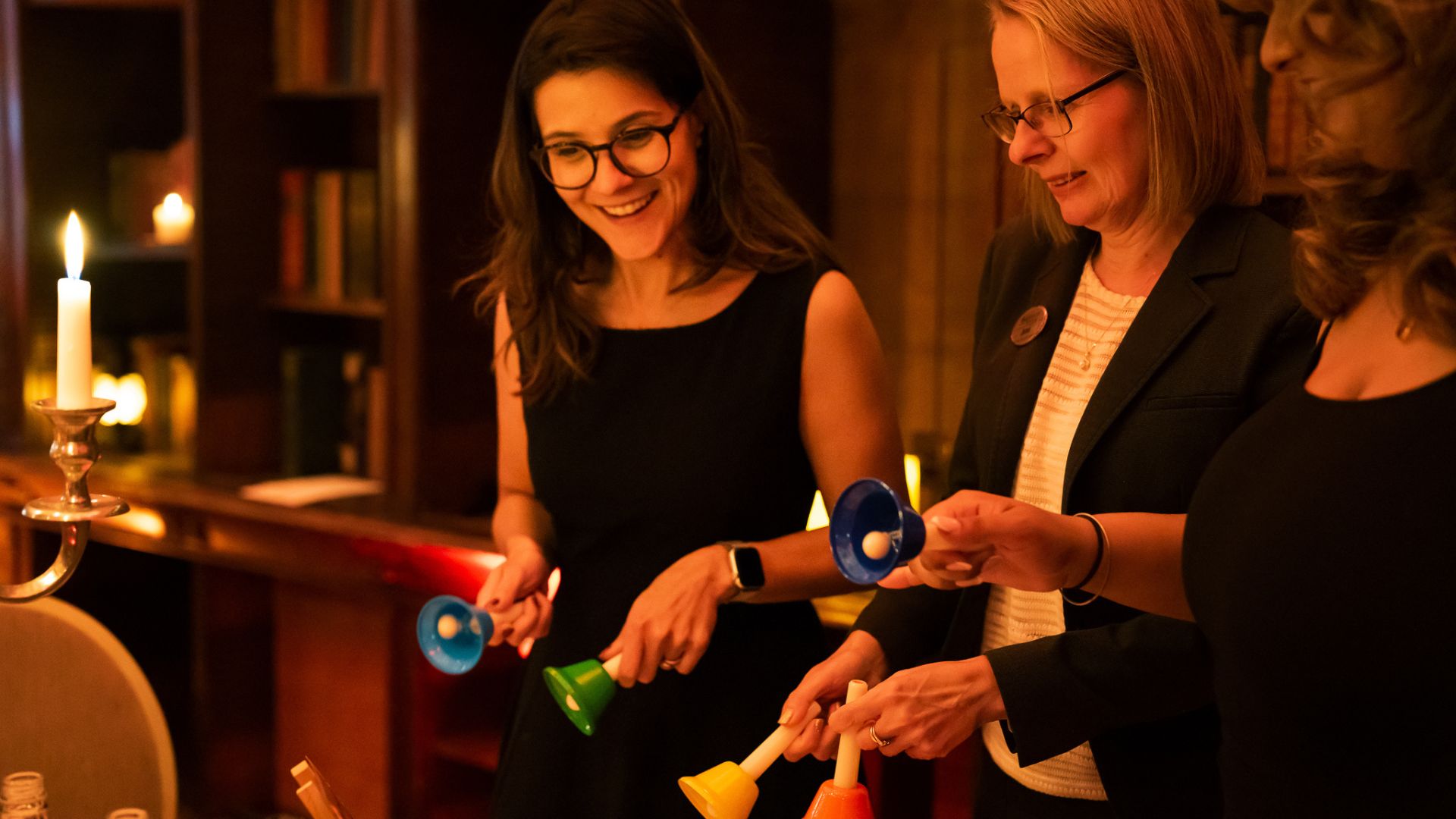
You’ve been asked to sort a quiz for a Friday slot, a team meeting or an away day, and the blank page is staring back. The quickest fix is to pick the format first, then fill it with rounds. A pub-style quiz suits a team of 10 to 40 in one room, a picture or music round suits a mixed crowd, and a hosted game show is better once you pass about 50 people.
Below are 12 quiz ideas for work, each with who it suits and what to watch for. We’ve included sample questions with answers so you can see the level to aim for. We run game shows and quizzes for UK companies, so the practical advice comes from what goes wrong on the day as well as what goes right.
Which quiz format should you pick?
Choose by group size, space and how much prep you can face. If you only read one section, make it this one.
| Format | Best group size | Space | Prep time | Suits |
|---|---|---|---|---|
| Classic general knowledge | 8-60 | Any room, or video call | 1-2 hours | Most teams |
| Fun Friday quiz | 5-30 | Desk area or call | 30 minutes | End-of-week breaks |
| Picture and music rounds | 10-80 | Room with a screen | 1-2 hours | Mixed ages and abilities |
| Guess the colleague | 10-50 | Any | 2-3 hours (collecting) | Teams who know each other |
| Company trivia | 10-100 | Any | 2 hours | All-hands, onboarding |
| Funny and “would you rather” | 10-60 | Any | 30 minutes | Lighter socials |
| Taskmaster-style challenge | 12-100 | Room with space for tables | Half a day | Away days, socials |
| Buzzer and game show | 20-300+ | Room with a stage or screen | Hosted: none for you | Conferences, big socials |
| Hybrid and remote | 6-40 | Video call | 1-2 hours | Split teams |
| Seasonal | 10-100 | Any | 1-2 hours | Christmas, summer |
| Quick-fire opener | 4-15 | Meeting room | 10 minutes | Weekly meetings |
| Hosted quiz or game show | 20-1,000 | Function room | None for you | Big or high-stakes events |
12 quiz ideas for work
1. Classic general knowledge rounds
A general knowledge quiz is the safe default: teams of four to six, five or six rounds, ten questions each. It works because everyone can contribute something. Mix easy, medium and hard questions in each round so no team is shut out.
Sample questions:
- What is the capital of Australia? (Canberra)
- What is the chemical symbol for gold? (Au)
- Which planet is closest to the Sun? (Mercury)
- Who painted the Mona Lisa? (Leonardo da Vinci)
- How many players does a football team have on the pitch? (11)
2. Fun Friday quiz
A Fun Friday quiz is ten easy questions, no teams needed, run in about 15 minutes at the end of the week. Post it on the team channel or read it out at 3pm. Easy beats clever here: you want people to smile, not feel tested.
Sample ten, with answers:
- What is the largest planet in our solar system? (Jupiter)
- How many sides does a hexagon have? (Six)
- Which colour do you get by mixing blue and yellow? (Green)
- What is the hardest natural substance? (Diamond)
- Which country is home to the kangaroo? (Australia)
- How many strings does a standard guitar have? (Six)
- What is the capital of Scotland? (Edinburgh)
- What is the main ingredient of guacamole? (Avocado)
- How many days are there in a leap year? (366)
- What is the capital of Wales? (Cardiff)
3. Picture and music rounds
Picture and music rounds are the easiest way to include people who freeze at trivia. Show logos with the names removed, famous landmarks cropped tight, or play five-second clips of songs. They also reach across ages if you pick a mix of decades.
Check the audio before the day. A screen that can’t be heard at the back is the most common reason a music round falls flat.
4. Guess the colleague
In guess the colleague, teams match baby photos, first jobs or surprising facts to the people in the room. It builds connection faster than any trivia, especially in newer or merged teams, and it doubles as an icebreaker.
Make it opt-in. Ask volunteers for a photo and one fact, let anyone drop out without explanation, and keep it away from health, family or anything sensitive. This also works as the “quiz questions about me” answer for people searching for it.
5. Company and industry trivia
Build your own round from things your colleagues should know: founding year, office locations, product names, the story behind a nickname. It’s a light way to run onboarding or an all-hands, and it costs nothing but an hour of your time.
One trap: long-servers will dominate. Balance with questions about the industry or the wider market so newer starters have a chance.
6. Funny and “would you rather” rounds
Funny rounds keep the mood loose. Offer surprising facts and ask for a guess, or run “would you rather” votes by show of hands. Keep everything office-safe, which means no politics, religion, appearance or anyone’s personal life.
Sample funny questions:
- What is a group of crows called? (A murder)
- What is a group of flamingos called? (A flamboyance)
- How many hearts does an octopus have? (Three)
7. Taskmaster-style challenge quiz
A Taskmaster-style quiz swaps some written rounds for physical or creative tasks: build the tallest tower from office supplies, draw the boss from memory, get a ping-pong ball into a cup from three metres. Score each task out of five.
It needs more space and a person with a clear scoring system, but it is the format colleagues talk about afterwards. Our Game Shows & Quizzes include Taskmaster-style and Cube challenges for exactly this reason.
8. Buzzer and game-show formats
Buzzers and podiums turn a quiz into a performance: two players at the front, the rest of the room cheering. It is faster than written answers and much better to watch.
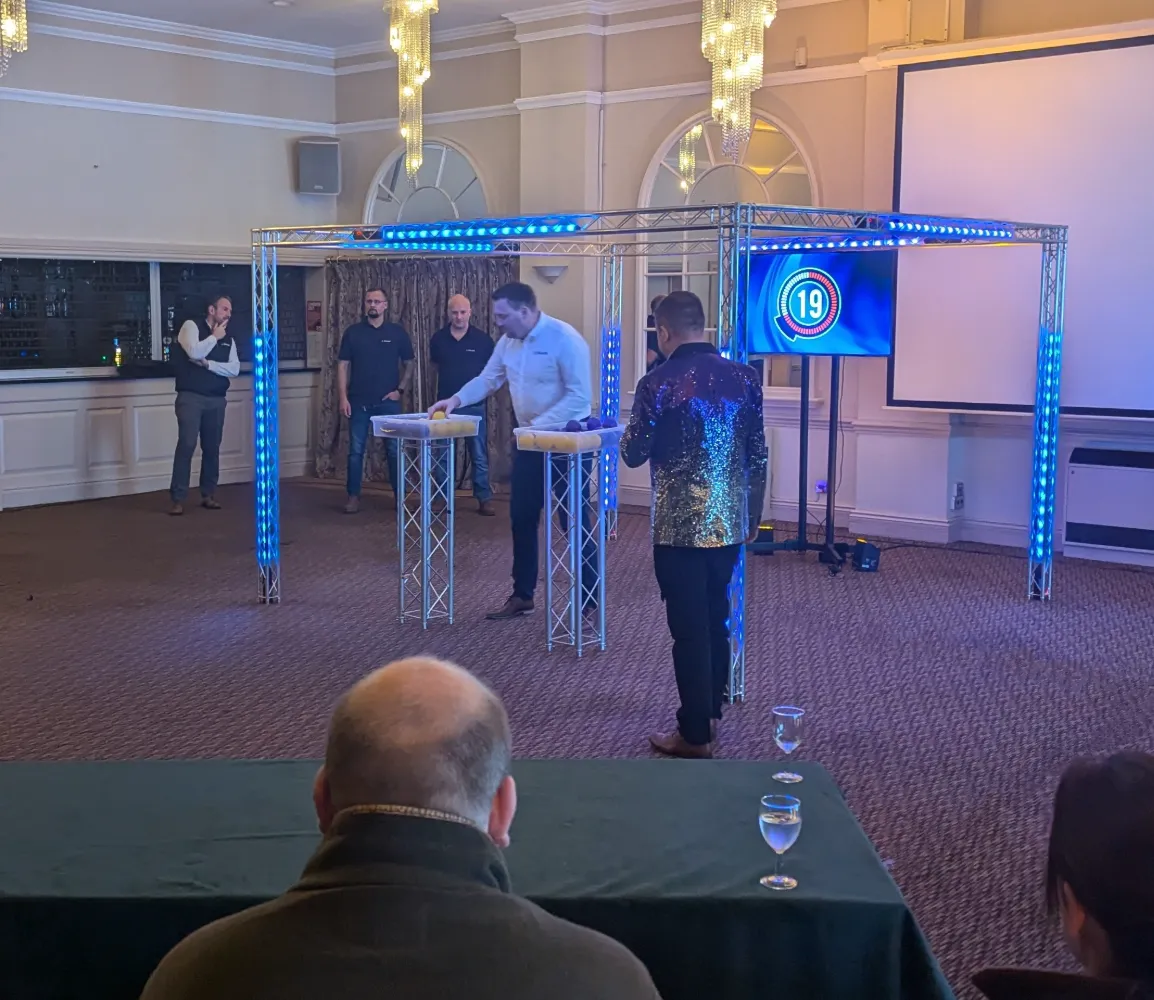
DIY buzzers work with a free app on phones, but expect lag and arguments. If you want this at scale, kit and a presenter are worth it.
9. Hybrid and remote quizzes
For a split team, use a shared screen, breakout rooms for teams and one person reading questions. Answers go in the chat or on a form. Keep rounds short, around eight minutes, because attention on a call fades faster than in a room.
Pair remote and in-office people on the same team so nobody is playing on the sidelines. Picture rounds and polls work better than long written questions on screen.
10. Seasonal quizzes
Seasonal rounds (Christmas, summer, bank holidays) give people a reason to turn up. We cover the festive version in our Christmas quiz for work article, so keep your everyday quiz non-seasonal and swap in themed rounds only when the date suits.
11. Quick-fire team meeting openers
Open a weekly meeting with a five-minute quiz: three questions, answers shouted out, no scoring. Rotate who sets the questions so the load is shared. It warms the room and gets everyone speaking before the real agenda.
12. Hosted quiz or game show
A hosted quiz means a professional presenter runs the rounds, handles scoring and keeps the pace up, while you sit with your team. It is the right call for larger groups, client events and anything where a flat evening would reflect badly on you.
How to run a work quiz
Teams of four to six work best, because bigger teams let a few people do all the answering. For 30 people that gives you five or six teams; for 12 you could run teams of three.
- Timing: allow 60 to 90 minutes for a full quiz, or 45 for a short one. Six rounds of ten questions takes about an hour with scoring.
- Scoring: one point per question, collected at the end of each round. Have a second person mark so the host can keep talking.
- Tie-breaker: prepare a numerical question where the closest answer wins, and check the answer before the day.
- Teams: assign them in advance and mix departments, otherwise the finance table beats the sales table and everyone sits with friends.
- Tech: test the screen, the sound and the Wi-Fi in the room beforehand. For hybrid, check the shared screen on a second device.
What goes wrong most often: uneven teams, one loud table calling out answers, slow scoring that kills momentum, and a question with a disputed answer. Decide in advance that the host’s ruling is final, and have a spare question ready.
Making your quiz inclusive
A good work quiz should work for the quietest person in the room as well as the loudest. Build in a few habits and most problems go away.
- Mixed ability: include easy, medium and hard questions, and add a picture or music round for people who don’t enjoy trivia.
- Non-drinkers: don’t build the evening around drinks. Offer good soft options and keep the quiz the point.
- Neurodiversity: share the format and timings beforehand, avoid sudden loud buzzers if you can, and allow written answers rather than shouted ones.
- Topics: avoid politics, religion and anything that relies on knowing someone’s background.
- Long-servers: keep company trivia to one round so newer colleagues aren’t shut out.
DIY or hosted?
DIY wins for small groups, small budgets and regular, low-key use. Hosted wins when the group is large, the event matters or you’d like to take part yourself.
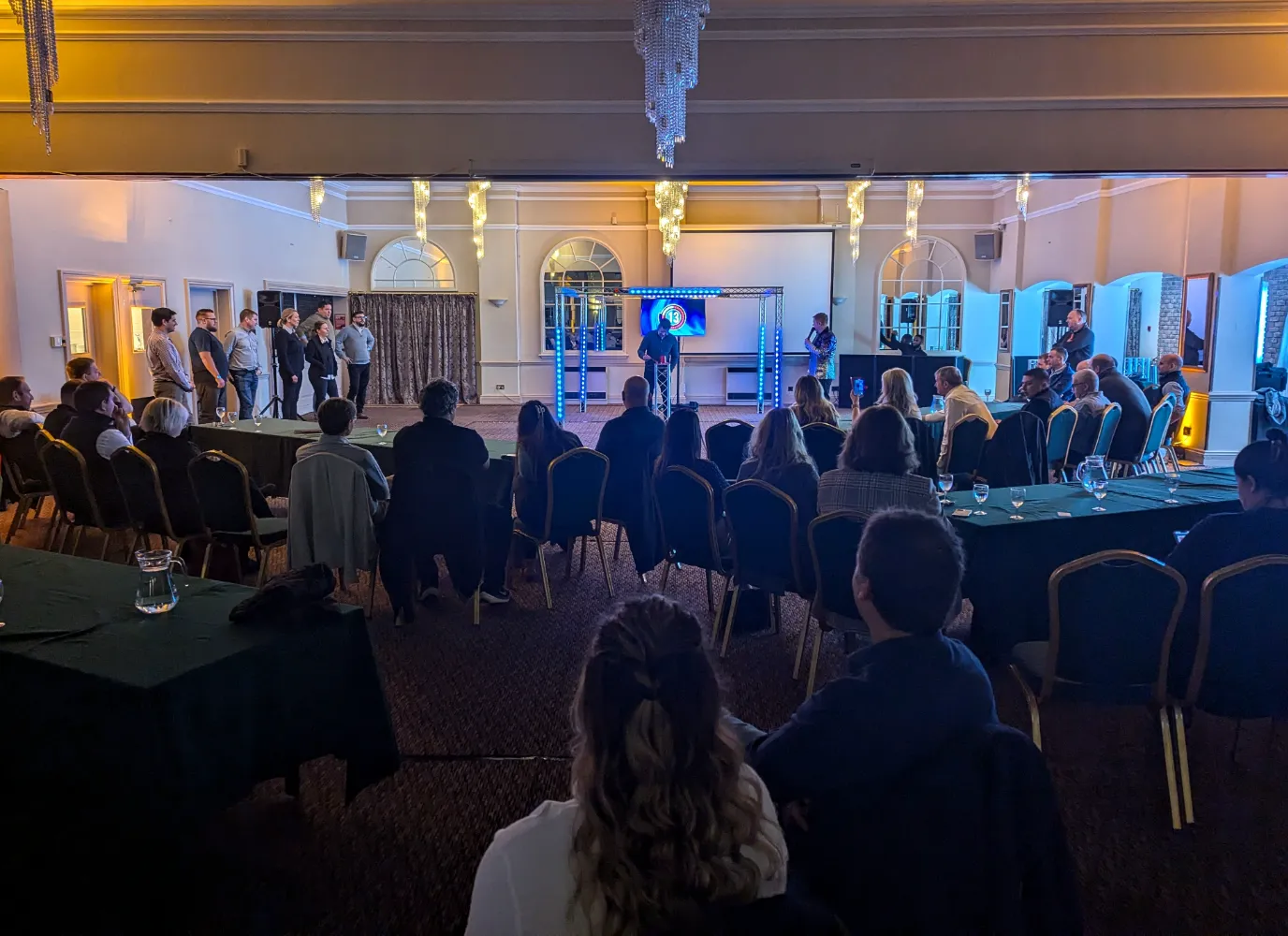
With our game shows and quizzes, setup is included and a professional host runs the room. We can theme the content around your company. They suit post-conference or end-of-day socials. One client, Jonathan Behr of Laravel Live, said of an after-conference social: “From start to finish, everything was handled perfectly.”
If you’re weighing up other formats, our team building options cover everything from indoor challenges to outdoor days, and our work social ideas and office party ideas guides will help if the quiz is one part of a bigger plan.
FAQs
What are some funny quiz questions for work?
Keep them silly but safe. Try: what is a group of crows called (a murder), what is a group of flamingos called (a flamboyance), and how many hearts does an octopus have (three). Questions with surprising answers get groans and laughs, and nobody feels put on the spot.
What are some fun office games to play at work?
Quiz variants are the easiest: a Fun Friday quiz, picture rounds, guess the colleague and Taskmaster-style challenges all need little kit. For something bigger, a hosted game show or a team building format gives you more energy and a clear winner, without anyone having to run it.
What are some good quiz questions about me?
Use a guess the colleague round. Ask each volunteer for a baby photo, a surprising fact, their first job or an unusual talent, then have teams match answers to people. Keep it opt-in, avoid anything personal or sensitive, and let people skip a question without explanation.
What are some fun interactive questions for work?
Anything that gets people moving or competing beats a silent answer sheet. Picture and music rounds, buzzer questions, live polls, would you rather votes and challenge rounds all work. Mix one interactive round into a standard quiz and the room stays engaged through to the final scores.
Tell us about your event and we’ll put together a tailored proposal. Enquire here and we’ll reply within one business day.